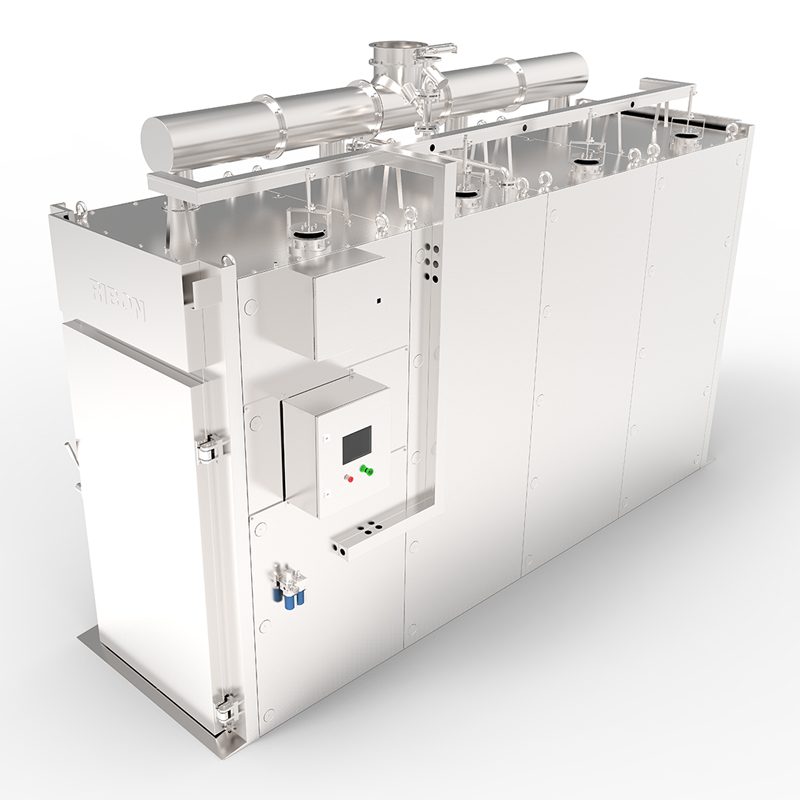



Em uma fábrica que processa 50 cabeças de gado por hora, a diferença entre o rendimento constante e os gargalos perturbadores geralmente aparece onde você menos espera: o sistema de trilhos que movimenta as carcaças, a área de sangria onde o sangue deve ser capturado antes de contaminar o chão, e o puxador de pele que deve corresponder à faixa de tamanho dos animais que chegam. Uma unidade construída para uma pequena instalação isenta de alfândega falha em um estabelecimento de alto volume, enquanto uma linha com engenharia excessiva aumenta o custo por animal além do que o seu mercado suporta. A conclusão prática é que equipamento para abate de gado deve ser selecionado do processo de trás para frente, começando com sua matança semanal projetada e os requisitos de higiene que você enfrenta sob inspeção.
Antes de revisar máquinas individuais, vale a pena ler um recurso transparente em guia de compra de equipamentos de processo de linha de abate de gado detalhes que cobrem capacidade, segurança e instalação. Esse recurso o ajudará a fazer as perguntas certas durante as revisões de cotações.
O que uma moderna linha de abate de gado realmente envolve
O processamento do gado segue uma sequência de pontos de intervenção onde a contaminação pode se espalhar caso o equipamento não suporte o fluxo correto. As principais etapas são atordoamento, sangria, remoção da pele, evisceração, divisão, inspeção e resfriamento rápido. Cada estágio cria um risco específico: poças de sangue ocultas, contato entre a pele e a carcaça, vazamento de conteúdo intestinal e resfriamento irregular. Uma linha moderna atende-os através de caixas de atordoamento controladas, coleta de sangue a vácuo, transporte ferroviário sincronizado e estações dedicadas para manuseio de peles e vísceras.
A tabela abaixo resume os principais estágios e as famílias de equipamentos normalmente pareadas com cada um deles.
| Estágio do Processo | Famílias de Equipamentos | Preocupação Primária |
|---|---|---|
| Impressionante e sangrando | Caixa de matança ritual, plataformas elevatórias, coleta de sangue a vácuo | Sangramento completo e segurança do trabalhador |
| Ocultar remoção | Extrator de pele, sistemas de transferência, transportador de pele | Evitar a contaminação do couro até a carcaça |
| Evisceração | Sistemas ferroviários, plataformas, manuseio de órgãos | Controle a exposição do conteúdo intestinal |
| Corte e desossa | Serras circulares, linhas de desossa, manuseio de caixas | Precisão de rendimento e ergonomia |
| Saneamento | Lavadoras de caixotes, lavatórios para mãos, esterilizadores de facas | Evite a contaminação cruzada através de ferramentas e recipientes |
Equipamento-chave em uma linha de abate de gado
O equipamento escolhido para cada etapa deve lidar com a variabilidade de tamanho do gado das diferentes classes de mercado. Uma vaca que pesa 250 kg e um novilho jovem que pesa 450 kg impõem cargas diferentes sobre uma plataforma elevatória e sobre o puxador de couro. É por isso que os processadores experientes especificam os equipamentos não apenas pela capacidade máxima, mas também pela faixa de pesos de carcaça que recebem.
Atordoamento e Sangramento
Na área de sangramento, o detalhe crítico é se o sangue do animal é coletado em sistema fechado ou se pode escorrer para o chão. A coleta de sangue a vácuo com tubo flexível ajuda a reduzir o sangue em aerossol, enquanto uma plataforma de elevação ajusta a altura do animal para um corte mais seguro. Muitas plantas também precisam de uma caixa de matança ritual que atenda aos requisitos do abate halal ou kosher, ao mesmo tempo que mantém o animal contido antes de ser colado.
Remoção e evisceração de ocultação
A remoção da pele continua sendo o maior desafio de contaminação no processamento de carne bovina. Um extrator de pele que aplica força consistente reduz o contato entre a pele e o músculo, mas a mesma máquina deve ser adaptada à altura do trilho e ao espaço de sua instalação. Os sistemas de transferência movem a carcaça da área de sangria para a estação de esfola sem causar atrasos ou danos. Após a esfola, sistemas ferroviários automáticos transportam a carcaça através da evisceração e inspeção a uma velocidade de linha que dá aos trabalhadores tempo suficiente para realizarem suas tarefas corretamente.
O transporte ferroviário é muitas vezes o gargalo oculto no abate de gado. Se a velocidade e o espaçamento do trilho não corresponderem à sua taxa de abate, você emperrará as carcaças ou terá os anzóis vazios. É por isso que muitos processadores recorrem soluções ferroviárias automáticas que permitem ajuste contínuo do espaçamento e desaceleração controlada.
Higiene, Segurança Alimentar e Controle de Contaminação Cruzada
A higiene não é um departamento separado no abate moderno de gado; faz parte do design do equipamento. Cada ferramenta que entra em contato com as carcaças – desde esterilizadores de facas até lavadoras de caixas – ajuda a quebrar o ciclo de contaminação cruzada. O detalhe mais esquecido é o contêiner que transporta os pedaços cortados da sala de desossa para a sala de resfriamento. Se a caixa não for limpa entre os usos, o sangue e a gordura residuais tornam-se um reservatório bacteriano.
Uma lavadora de caixas industriais deve ser dimensionada de acordo com o número de contêineres que passam pela sua fábrica a cada turno, e o ciclo de lavagem deve atingir as superfícies internas e externas da caixa. Parâmetros operacionais como temperatura da água, concentração de detergente e tempo de enxágue devem ser documentados e verificados. Lavatórios de mãos com esterilizadores de facas devem ser colocados em todas as estações de trabalho que utilizem ferramentas de corte, com temperatura alta o suficiente para matar patógenos, mas baixa o suficiente para evitar acidentes.
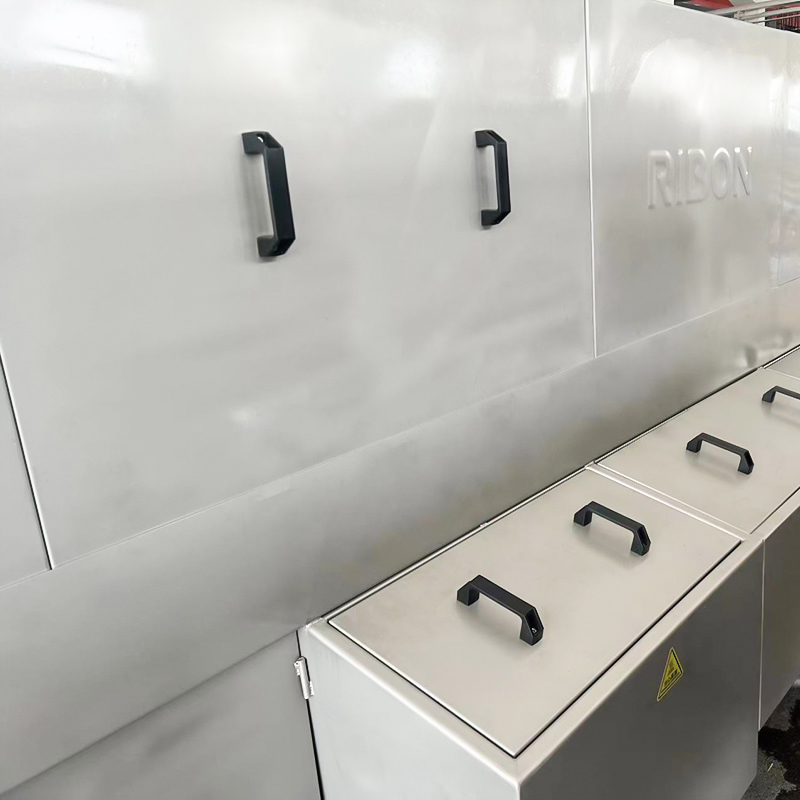 Lavadora de caixas industriais com função de esterilização e secagem opcional Esta lavadora automática de caixas limpa caixas de plástico em três estágios, incluindo lavagem com água morna, esterilização com água quente e enxágue. Ela movimenta até 900 caixas por hora e inclui uma unidade de secagem centrífuga opcional, ajudando a manter a higiene e a reduzir o manuseio manual. Ver Produto →
 Corte e Desossa: Rendimento e Precisão
Na sala de corte, as escolhas de equipamentos afetam tanto o rendimento quanto o custo de mão de obra. Uma serra de lâmina circular vertical proporciona um corte reto e repetível em toda a carcaça, enquanto uma serra de mesa é melhor para porções menores e trabalhos detalhados. A própria linha de desossa deve permitir que os operadores trabalhem em uma altura ergonômica com a carcaça ou peça cortada posicionada firmemente, reduzindo o risco de ferimentos com faca e perda de rendimento.
As soluções modernas de corte e desossa de gado integram fiação, empilhamento/desempilhamento e lavagem de caixas em um único fluxo. Isso significa que uma caixa não precisa ser arrastada manualmente pelo chão e as caixas vazias são devolvidas à sala de corte na ordem correta. O benefício não é apenas a poupança de mão-de-obra; significa também menos oportunidades para os recipientes serem manuseados com as mãos sujas ou colocados em superfícies contaminadas.
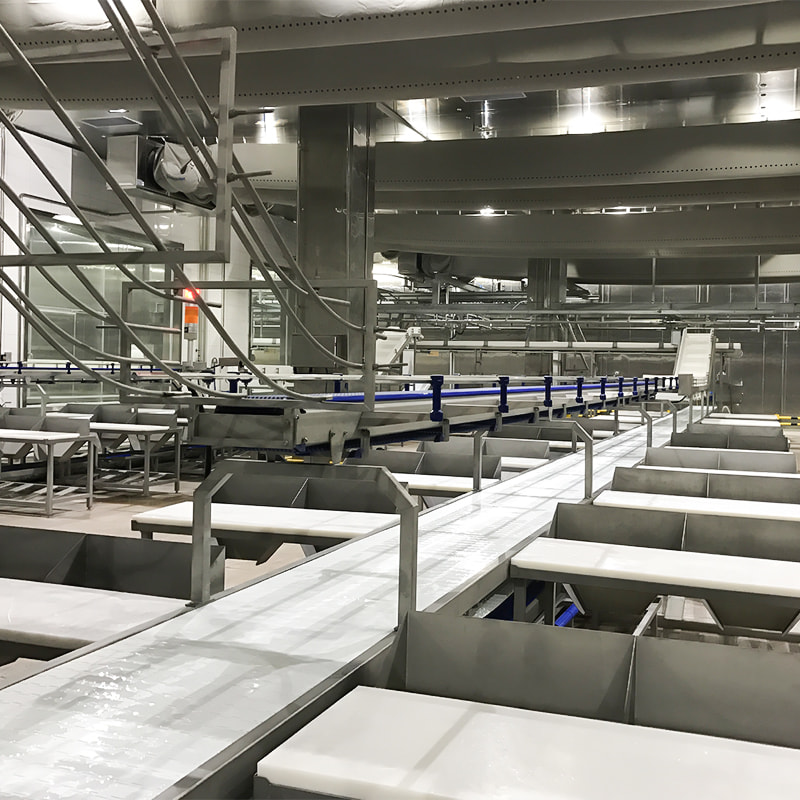 Linha Completa de Corte e Desossa de Gado com Layout e Instalação Esta solução abrange todo o processo de corte e desossa do gado, desde a concepção do layout até o comissionamento. Ele integra transportadores, alturas de trilhos e posições de drenagem para garantir fluxo eficiente e fácil limpeza, suportando operações de alto rendimento e minimizando riscos de mão de obra e contaminação. Ver Produto →
 O que considerar antes de comprar equipamento para abate de gado
A decisão de compra começa com uma meta de produção clara expressa em animais por hora ou por dia, e não em termos vagos como “capaz de grandes volumes”. Peça ao fabricante um desenho de layout de linha que inclua os comprimentos reais do transportador, alturas dos trilhos e posições de drenagem no piso. O layout deve permitir que o pessoal de limpeza acesse todas as superfícies onde o material da carcaça possa se acumular.
- Material de construção: Para todas as zonas úmidas, o aço inoxidável 304 é a base. Use 316 somente quando a exposição a produtos químicos ou condições com alto teor de cloreto tornarem necessário.
- Acabamento da solda e controle de fendas: As soldas devem estar livres de buracos e fendas abertas. A retificação até Ra 0,8 micrômetros ou melhor em áreas de contato com o produto é um objetivo prático.
- Nível de automação: um sistema ferroviário totalmente automático reduz a dependência do transporte manual, mas aumenta o custo inicial e a complexidade da manutenção. Combine-o com a situação laboral local.
- Programa de limpeza dedicado: lavadoras de caixas, esterilizadores de facas e lavatórios de mãos devem se adequar à programação real dos turnos, e não apenas ao pico de fluxo teórico.
- Instalação, comissionamento e treinamento: Uma linha que requer três semanas de ajuste no local pode anular a economia na folha de pagamento decorrente de um preço de compra mais baixo.
- Peças de reposição e suporte pós-venda: Solicite uma lista de peças de reposição recomendadas e um tempo de resposta garantido antes de assinar o contrato.
Por fim, verifique o equipamento em relação às regulamentações aplicáveis em seu mercado. A área de atordoamento atende aos requisitos de abate humanitário nos quais você foi auditado? O sistema de sangramento reduz o risco de contaminação o suficiente para satisfazer um plano HACCP? O arrancador de pele funciona com bovinos que não estão totalmente crescidos? Estas não são questões teóricas; eles afetam se você passa na inspeção em um determinado dia.
Ao visitar um fornecedor, traga seu cronograma de abate, faixa de peso da carcaça e uma lista de seus problemas recorrentes de contaminação. Um bom fabricante mostrará como suas soluções de abate de gado podem ser adaptadas às suas instalações, e não forçará você a adotar um projeto padrão. O objetivo é construir uma linha que seja segura, eficiente e extremamente confiável – de modo que as únicas surpresas em sua fábrica sejam aquelas que você planeja.